Is It Spring Yet?

The holidays are over and its back to school time. For my daughter and I, that means meeting at the dining room table at 8:00 a.m., in order to begin our school day. Right now our main focus is finishing a Native American History unit, so there is a lot of reading, and watching videos. Monday went well and we got a lot done, but she spent most of Monday night in the bathroom, so we took yesterday off. She is feeling somewhat better today. Tomorrow, we’ll be back at it, full steam.

I always think I’m going to spend the dark days of January working on school, indoor projects and crafts, but inevitably, my mind turns to spring and starting seeds. My mind gets help when I start getting gardening supply and seed catalogs in the mail. Then Common Sense Homesteading posted the link to this article on facebook! I so want this, and I’ve already asked the Shelf Elf (Ed) if he’s up to the task. I have the perfect place for it!

One catalog that we always get this time of year is from Lehman’s. This is our version of the Sears Wish Book. We rarely buy anything, but we both really love to look. I know Ed saw a hand pump that we might be able to use if we ever get the well going. I love to look at all the food preservation stuff. They have canners and dehydraters, grain grinders, oil presses and fermenting crocks. Some women dream about fancy cars, houses, or clothes. I dream about grain grinders and oil presses! I also dream about goats and ridge heddle weaving looms but that is another post.

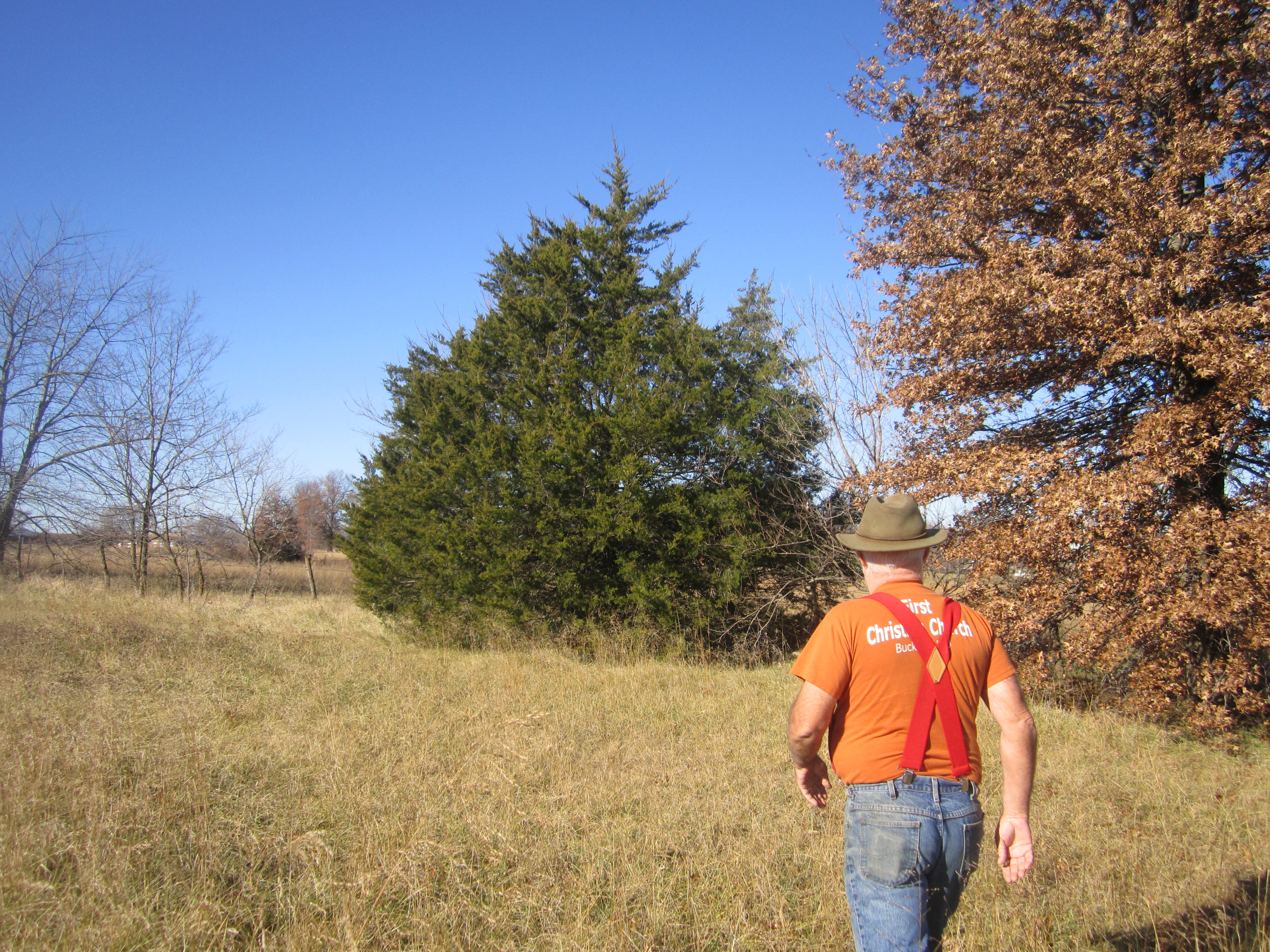
To make matters worse (or better depending on your perspective), our weather has been unseasonably warm. Last fall, a friend gave me a few bulbs, and my son planted them for me inside a rubber tire in the front yard. The tire was to prevent any accidental mowing. Last week, when Ed and I were out walking the property, I noticed a little green shoot coming up inside the tire. “Oh, no!”, I said, “Go back! Its too soon!” Of course, I know that it is too late for that one. Today our high temperature was 7 degrees and the windchill is expected to be in the negative double digits.

Normally, when we walk the property, we walk around the back yard and the pastures, tentatively planning what we are going to put where. We’ve already mentally moved the vegetable garden, dog run and chicken coop three times. That day, I had a purpose for walking the front yard.
006

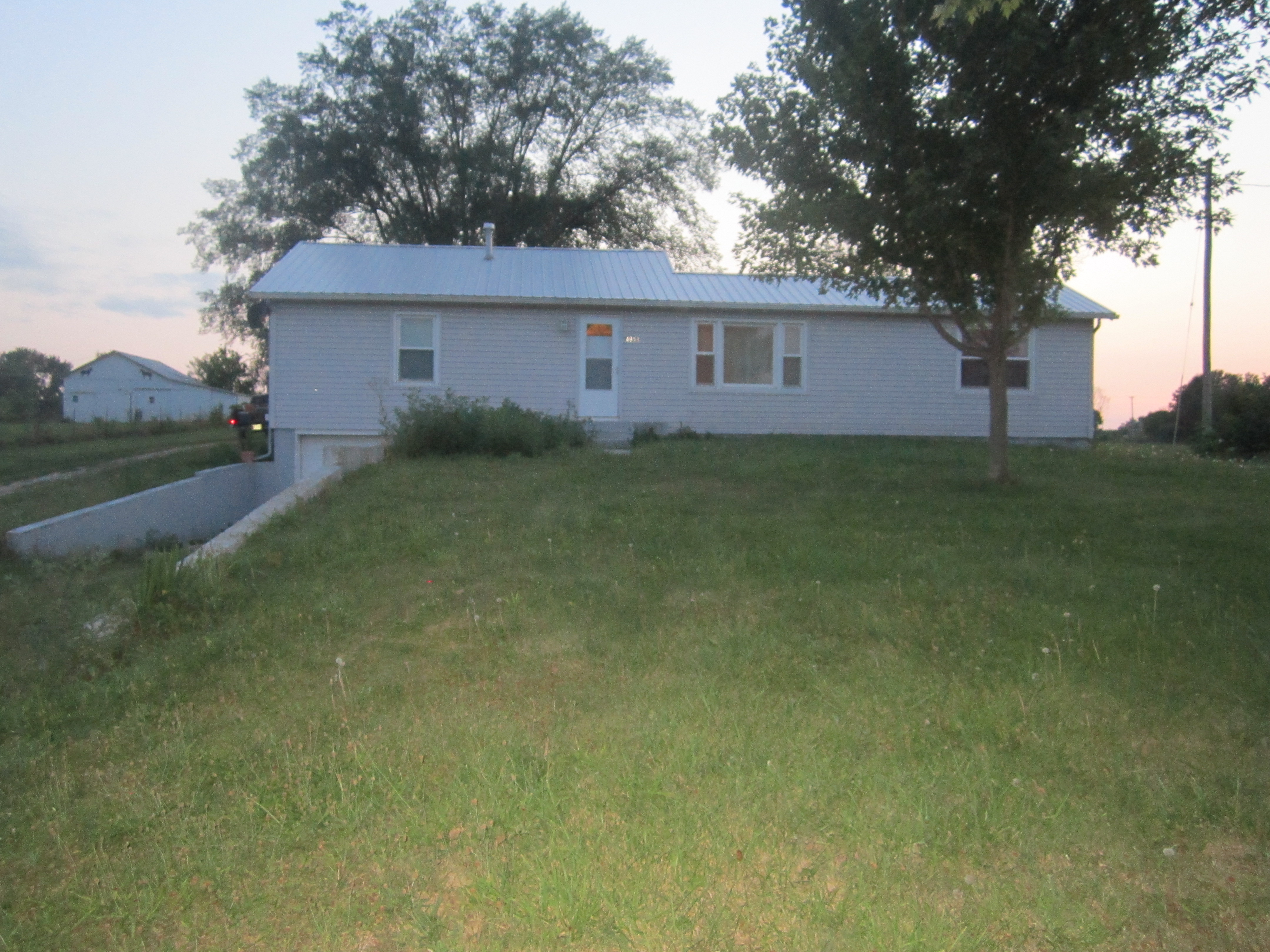
The first picture was taken the day after we moved in. We cleared out the overgrown stuff next to the porch, and made room for the dog house. This is what it looks like now.

012

Note the tire at the right hand edge of the picture.  We want to add a porch that runs the length of the house, and I want to turn the whole thing into a garden. I want flowers, herbs, trees, bushes, benches, and fountains. I want it to be a place where neighbors want to come and share a cup of coffee and a visit.

Yes, I know, its going to take a long time to get it how I can see it in my head, but as long as the Lord lets me stay here and stay healthy, I’m in no hurry….well except maybe for Spring to get here so I can get started.

Connie
All’s Well

007

Water is one of the most basic substances for life. Our house is attached to city water. If last year’s weather pattern continues, we are going to be getting a goodly amount of rain water which, given a good rain barrel system, should be adequate for small scale farming.

However, for stock, and just to assure an uninterrupted flow of water, without having to run a water bill into the hundreds of dollars a month, it would be nice to have another source. We have the potential for that on our place, in the form of an abandoned well, and an old cistern. The first of these two projects, that I plan to work on, is going to be the well.

010

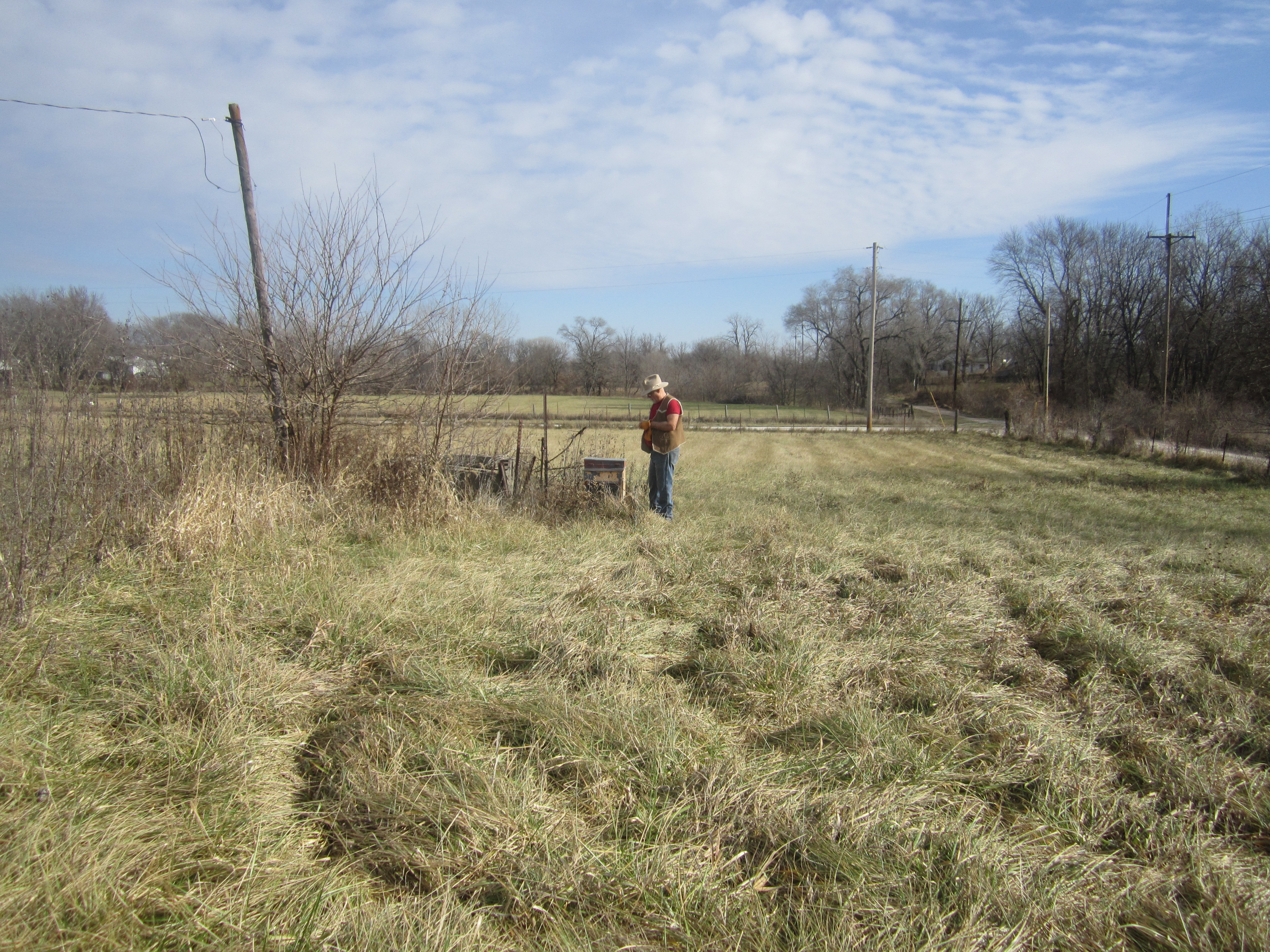
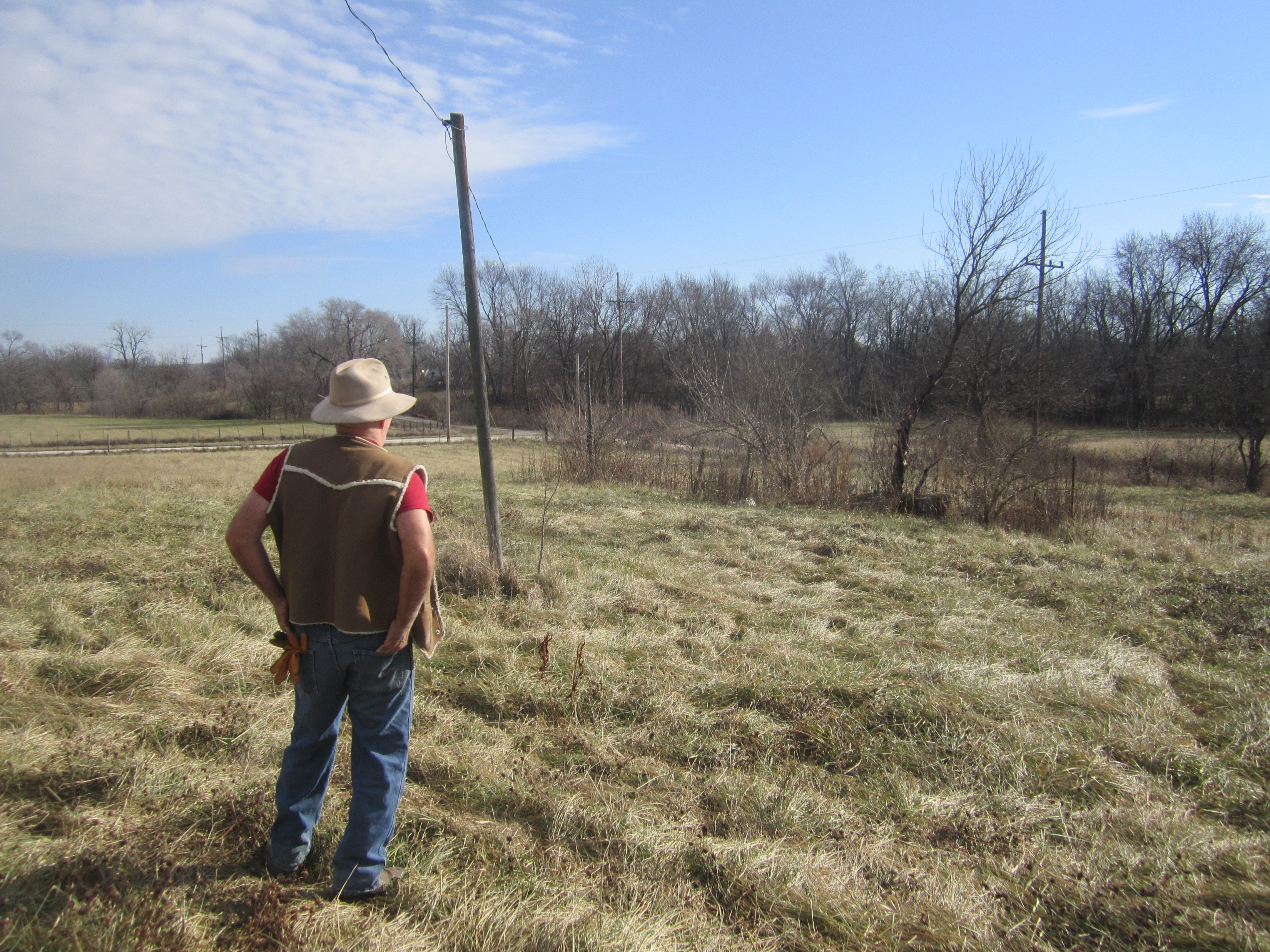
As you can see by the pictures, the well has been long neglected. There is nothing left of the actual electric pump and little left of the housing for it. Around the area there had been some type of buildings, fencing and unidentified stuff. Was I to hazard a guess, some of it had once been a pig lot.

019022023

Next to the drilled well, about four026032 feet back toward the house as you look at the picture, is the original dug well. You can see the block walls around it that were added much later. Below those walls, is a round, stacked stone dug well, about four feet in diameter and heaven alone knows how deep.

So we have found them. Now what? I have some experience with local water. I was raised in a home with four rooms and a path, our water was provided by one full time and one part time mountain spring. That experience and simple logic tells me the first question is whether the water is worth getting out of the ground? Is the water potable and how much might there be?

At first glance, looking down the dug well, I believe there is a considerable amount of water in the ground. However, both questions can probably be addressed by a call to the local Agriculture Extension Office. Our office serves two counties, and I have not been in touch with them yet. I will call and introduce myself on Monday.

The next question, assuming the water is good and plentiful, is how am I going to get it out of the ground? My plan is to have both an electric and a manual pump. If it is still usable at all, and if the water is clean, as I expect it is, I would like to put a strong top over the dug well. Then drop a hand pump through, it and have that for our back up system.

I believe the old electric pump and separate well was attached to the large water spigots by the barn, the chicken coop and a couple other places. If I can get them working again, I will have water sources near where I need them, which will save some hauling. What I am going to have to do is learn about pumps and such, then find someone with whom to work. This will include internet sources.

That is the status of the well project. Since these pictures were taken, we have already cut out the saplings, knocked down some of the brush, started removing the scrap metal and wood and raked the area for smaller scrap. The trees and larger saplings are adding to a wood pile.

The next step in the water project, I think right now, will be a rain barrel system and after that, assuming I am really motivated, I am going to open that old cistern and see if I can make any use out of it.

If anyone reading this has any suggestions, I will be happy to hear them.

Oh yes, a late Happy New Year and God’s blessings on your efforts in the coming year. Until next time, “Don’t look back, there is no telling who is catching up with you.” Satchel Paige.

Ed

Reference Books (Old School Google)

If you intend to use all modern methods, including fertilizers and pest control items that you need to wear a space suit to put down, and GMO crops and stock that are scarier than a Stephen King book, then what I am about to talk about really is not for you.

What we all seem to be looking for, and what this blog is about is doing it the old way: farming and living in a way that has kept us healthy and sane for hundreds of years. This would indicate that we would need information about how to live and farm like our ancestors did.

Of course, the internet can provide you with much of what you need to know for free. We do not ignore that resource, but there is a real possibility that we may end up not just wanting to do it “old school”, but having to do things that way because the “new school” has let class out. It is not that farfetched that the day might come when the internet and all the modern methods go away. In such a case, you would need your information in book form.

There are many sources for this information, and we have begun to accumulate a fairly credible library. This includes everything from military Field Manuals about survival, through herbal medicines, to how to build a chicken coop. Perhaps it is the bias of a born and raised Smokey Mountain hillbilly, but my acquisition for the library was a set of the Fox Fire books.

The Fox Fire series started as a school project in a northwestern Georgia High School, designed to preserve some of the stories, recollections and skills of the Appalachian ancestors of the young people involved. Since then it has grown into a cottage industry.

As I stated, we have already acquired a number of other books on self-sufficient living, but were I limited to only a baker’s dozen, it would be FM 21-76: The Army Survival Manual and the Fox Fire Books.

The survival manual speaks for itself. As for the Foxfire series, would you need to know how to build a cabin, build a buckboard type wagon, weave baskets from various materials, make a quilt, make barrels and make a water-powered sawmill? Would you like to know how to make a banjo out of a cigar box or a gourd? Do you enjoy a good ghost story? That is a sample of the things found in the Fox Fire books. Basic plain living, for simple people is the theme of the books; how it was done and how it can be done again. You can find a full set of the Fox Fire books here.

fox fire

I got my set of the books as a birthday present from Connie but they arrived piecemeal. The Fox Fire volumes are available both new and used individually through Amazon.com or you can buy them as a set new from the internet address above. A new set runs 216.00 plus shipping. Used copies are considerably cheaper, and the kinds of folks that these books are written about would be proud of you for saving the money.

You buy books that tell you how to live off the grid so you can do what you want to now, and maybe what you have to in the worst case scenario. Fox Fire is a great asset with that, but it is also a wonderful source of wisdom, wit and creativity when you just might need all of those things most.

Ed

The Nickel Tour

When friends show up at your new place, you want to give them the “nickel tour” so let me walk you around our little five acres. First, understand that I am not just looking to tell you things, I am looking for advice as well. As you read this, look at the pictures, and if you have any advice you believe might help me, feel free to speak up. If you are anywhere in the Braymer, Missouri area and want to get in contact, we would welcome it.

012I described our house in my first post as our new house. It is new to us but, is actually fifty-one years old. We have three bedrooms, Two and a half baths, a fair sized kitchen, living and dining room area combined, and a den. There is also a half basement that includes a garage. All told, a decent living area.

007 011

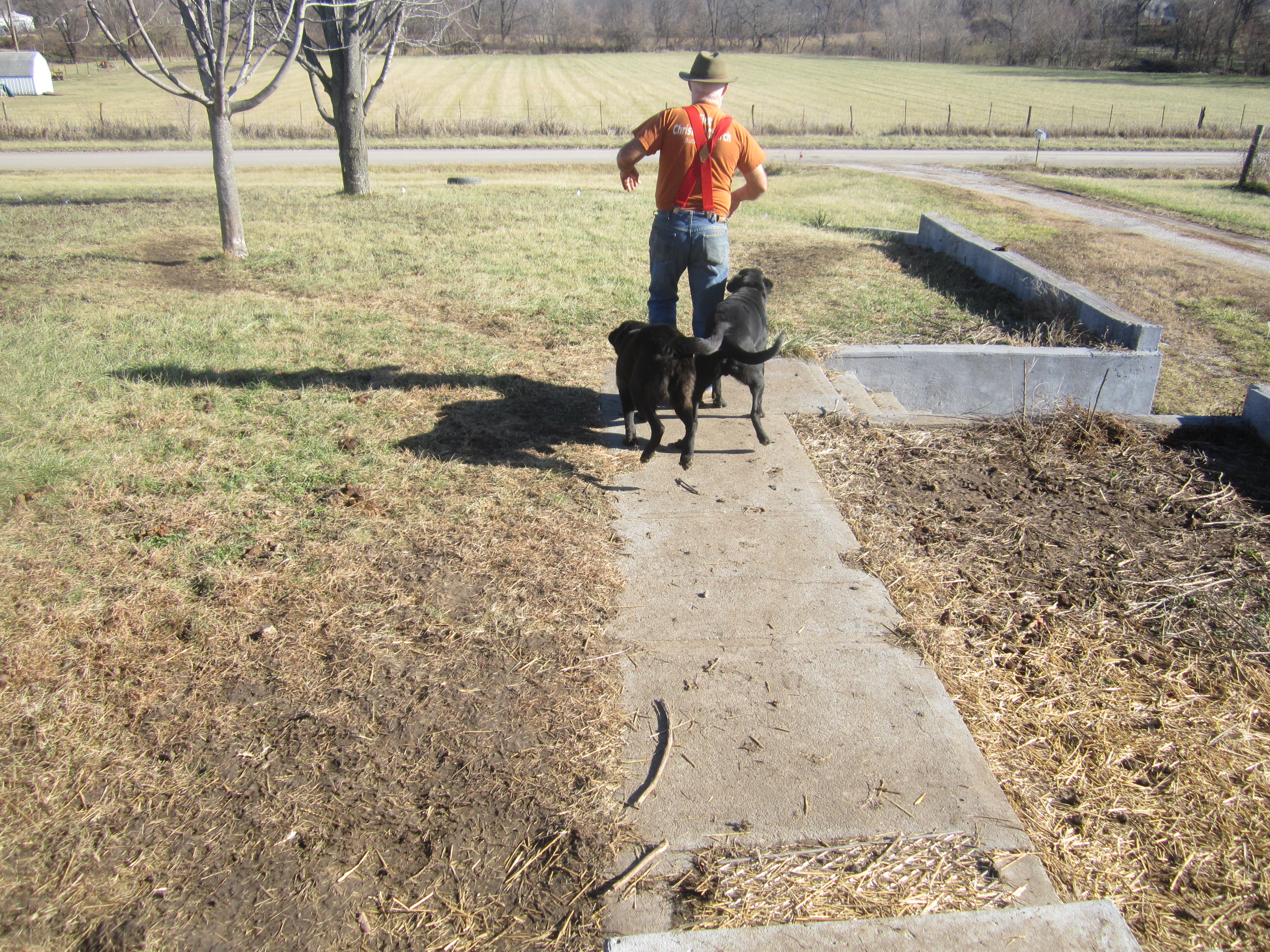
This is still the front of the house, but walking towards the road. Those two creatures following me are rumored to be dogs. The cat at my feet in the next picture is called Marshmellow, and he thinks he is a dog. Don’t believe me?

013

If you want to know anymore about dogs, cats and their perils try here.
015
This is the two car detached garage. It has a work bench and some great space which we need to use better. Hey, I am working on it.
019

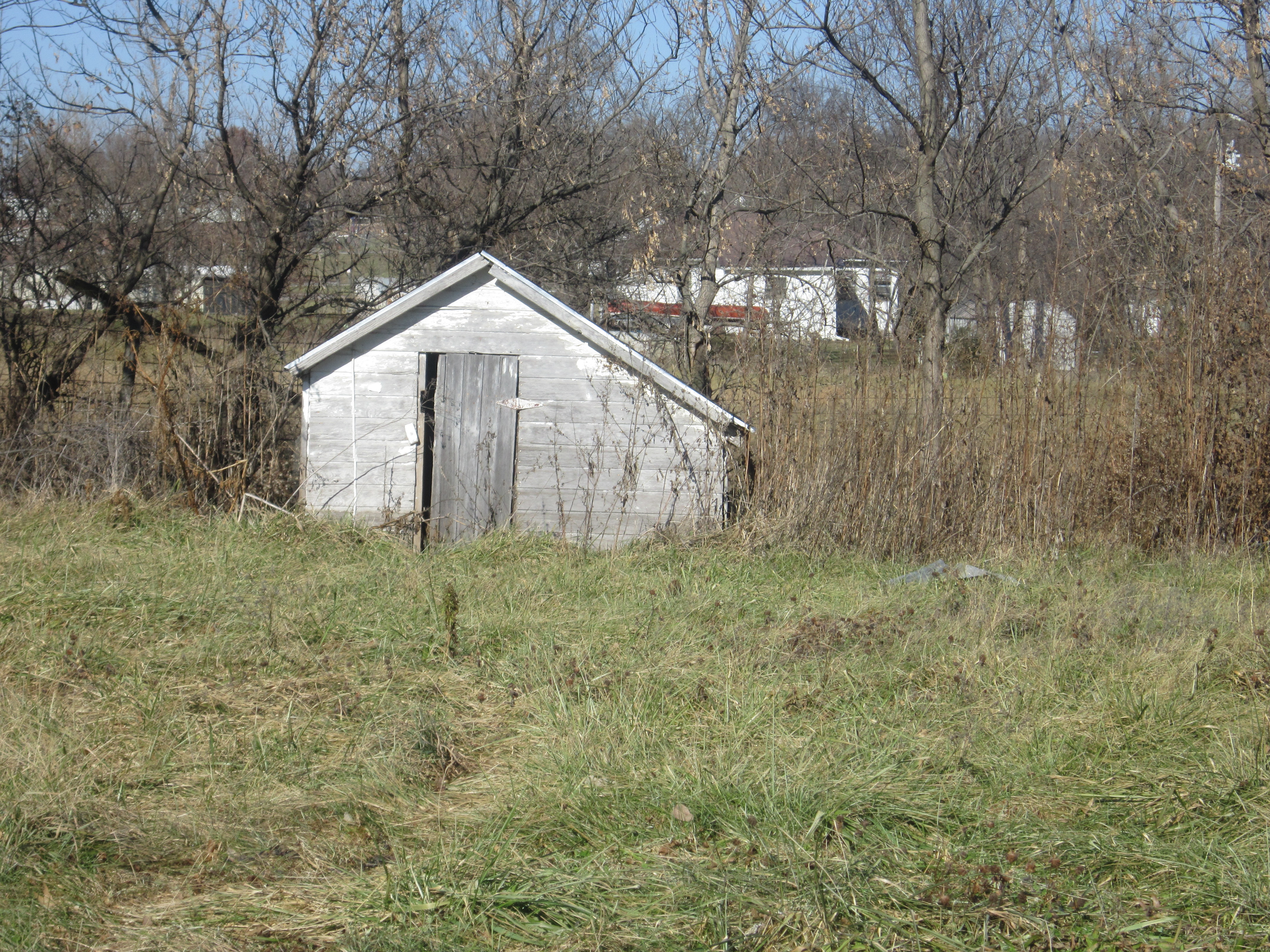
One of the previous owners was something of an electrician. Everything: barn, garage, basement and this poor old chicken coop is wired for lights. How amazed do you imagine I was when I stuck my head inside this thing and saw a light switch? Almost as amazed as I was when I found it worked.

017023020021

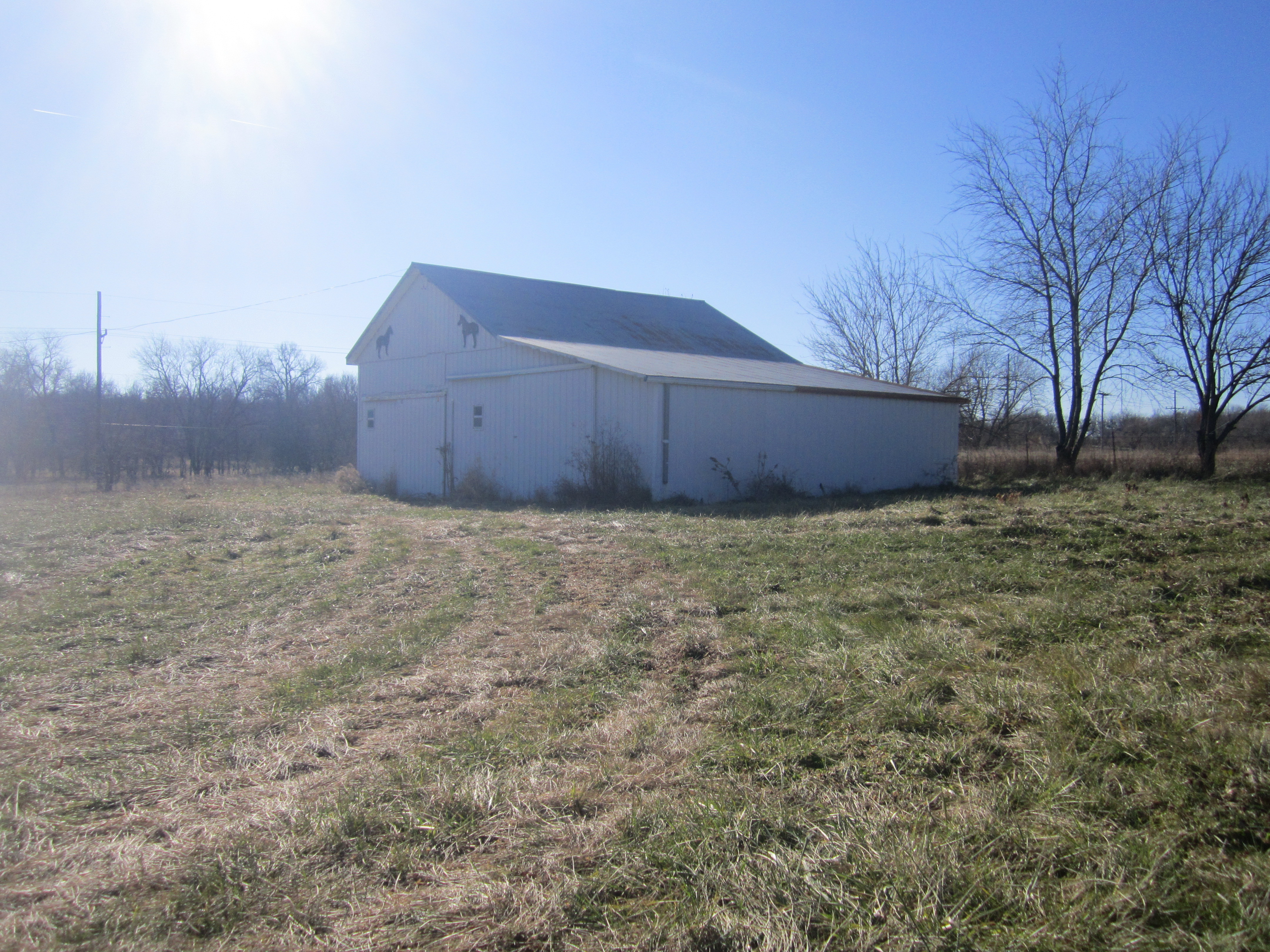
These pictures, of course, are of the barn. It is really a very well constructed barn with two stalls to the left, three feed rooms and another milking stall to the right, a full loft and an added lean-to area for farm equipment. As can be seen across the place our previous owners left me a lot to clean up. You would be amazed when I tell you that over half of what was in the barn is now gone.

025026027028037

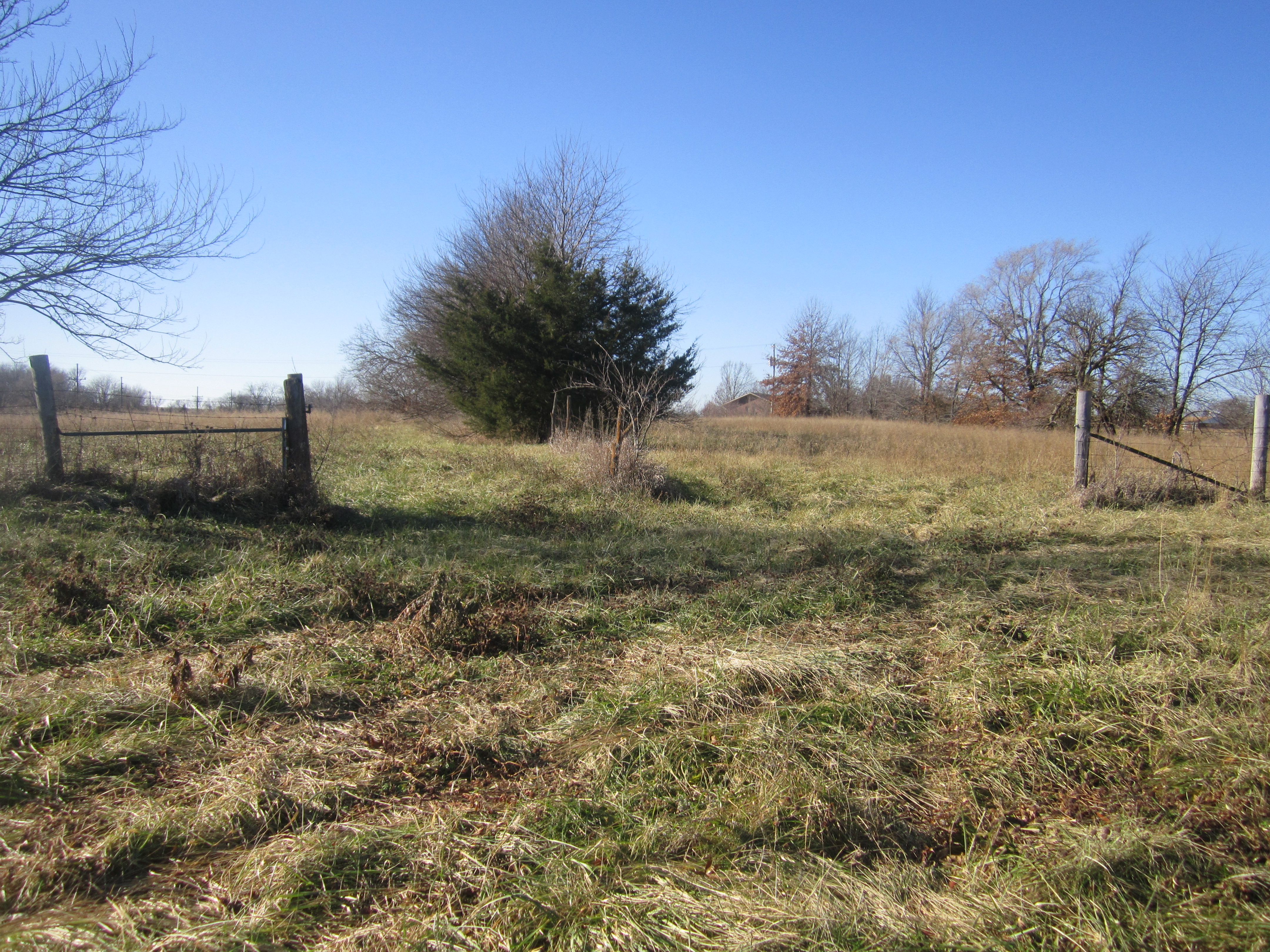
These last pictures are of the land itself. In the first one you can see a small tree line, this is where the old well is located. It appears that the old well house burned and the pump has been removed. I am thinking, if the well turns out to still have water, a manual pump and stock tank. As you can see, the place needs a lot of clearing along the fence lines, some additional fencing, a lot of basic clean up and work I have not even considered yet.

But there it is. I think it has a lot of potential.

God Bless

Ed

Welcome to Your 5 Acre Farm: Now What?

On the 1st of August 2014, my wife Connie and I spent the morning signing reams of papers for taking possession of our five acre farm in the wilds of northwestern Missouri. On the farm is a two stall barn with a lean-to addition for farm equipment, a two car detached garage and our new three bedroom home with a half basement garage. We now have a thirty year mortgage. Please understand that when we pay it off, I will be ninety-three and my blushing bride will be eighty. Either we are the most optimistic people in the world or we are betting heavily on a zombie apocalypse.

So, what is five acres? Historically, an acre is the amount of land you can plow with a brace of oxen. Oh by the way; a brace of oxen is two. So we bought ourselves the amount of land it would take five days to plow with two oxen. That would suppose I had two oxen, the appropriate plows and tack to harness them to the plow, any experience at all plowing with cattle and any motivation to plow the whole place to begin with. I have none of the above.

Let’s use a comparison maybe we can understand. An acre is 90% of a football field. So we now own four and one half football fields though it would be hard to play a decent game on them because of various buildings and cross fences.

So there you go. Both Connie and I love animals, outdoors, independence and doing things ourselves. Oh, we also love each other. So now that we have our five acres, what are we going to do with it? That has been the subject of much conversation and a little action since August. Having moved in so late in the year we both decided no live stock or gardening until spring. That will give us time to plan and prepare.

Most of the farmers in our area grow grains, corn and/or soy beans. I could fill the whole place with any combination of these crops, grow a bumper crop of them, sell it high and still not make enough for us to catch a bus to town if a bus ran out this far.

Every family in the area has their kitchen garden. In the first week we were here, we were almost buried in an avalanche of good will and tomatoes. There are some chickens, cows and goats in the area. A little further down the road you can find all sorts of live stock from sheep to pigs to lamas.

Goats: Connie wants to raise goats for fun and profit. The poet Carl Sandburg’s wife was a breeder of prize winning goats. Remember that if you are ever on Jeopardy. My Connie wants to raise goats and I told her that was alright but don’t expect me to rope them. It is not that being called a Goat Roper upsets me, but have you ever tried to rope a goat? They got some serious quick going on. So sometime towards spring I am going to have to cross fence around the barn and we will need to get a goat or two.

Bees: I want bees because bees make honey, and I have a raging sweet tooth. Also, bees are just cool. I remember as a little boy helping my grandfather with the bees; watching him gather honey, sneaking around behind the hives to put my ear up against them and listening to the hum of the bees cooling the honey in summer. Bees are really great little critters. However, I am not certain Connie is particularly thrilled. Got a feeling I will be robbing hives by myself.

Chickens: We both think you just have to have chickens. Chickens mean eggs and meat and I am fond of anything that can provide two kinds of food, ergo the goats. Any sustenance farm is going to have to have some kind of fowl, chickens or guineas are the best candidates. I expect we will try both within the first couple years.

A garden of course: A family of four can easily provide itself with the necessary vegetables, tubers, greens and such, ‘maters, tatters and beans, on a half acre. I have one picked out. We will also be planting berries and fruit trees.

Those are our goals for our first year; along with that maybe, just maybe, a couple of pigs. After that we will look at some grains, maybe a cow or two, pigmy cows are interesting. As time goes by, I am certain we will fail at some things and find successes we never even thought about. Raising mushrooms is intriguing and growing worms goes right along with composting.

Then there are matters of self reliance like production of our own energy, getting that old well back in action and seeing what comes from that and learning to recycle, reuse, repair and simply restrain ourselves.

The central theme of this blog is living simply, sustained by the earth each other and ultimately our God. What we intend to share with you is not how we GOT there. We intend to let you watch while we GET there. Allowing our readers to learn from our mistakes and profit from our successes as they happen, is our goal. The fact that I am old enough to remember when dirt was young should add to the entertainment value. Connie? Why she’s still an eighteen year old girl and as beautiful as she ever was. Why do you ask?

Ed